

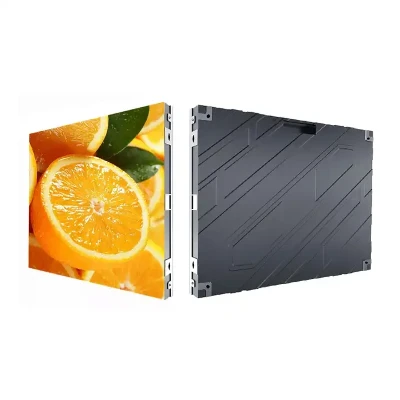
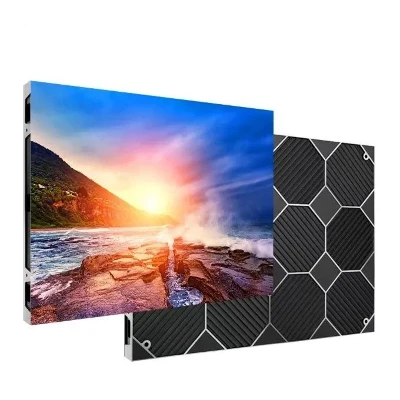
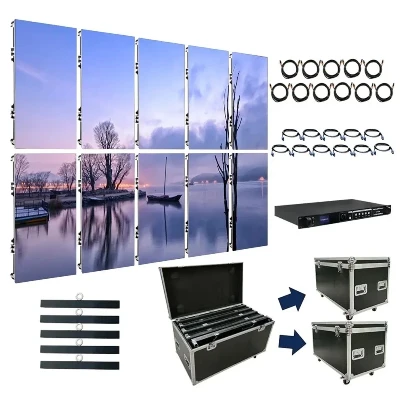
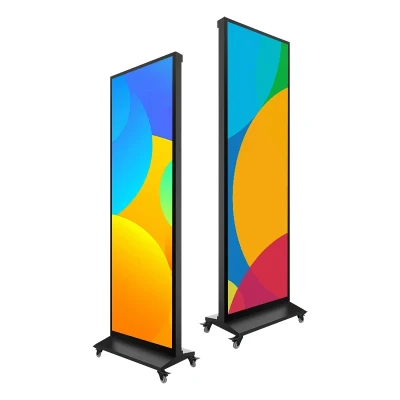
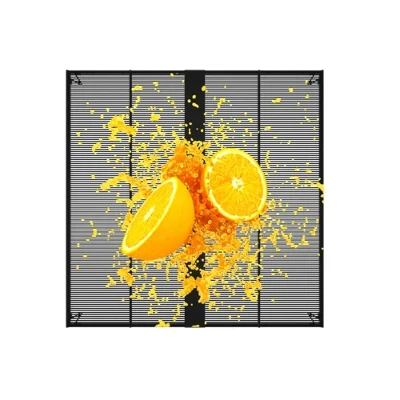
LED Video Wall
Your Professional LED Video Wall Manufacturer!
Experienced Company:Shenzhen JIulong Optoelectronics Co., Ltd. was founded in 2012. We are a high-tech enterprise integrating the development, production, sales, and engineering services of LED displays. Our main products include small space LED and LED Screens for rent.
High Quality:Jiulong Optoelectronics LED display screen has reliable quality and realistic images and has won customers at home and abroad. Our products are exported to more than 160 countries and regions in America, Europe, Asia, and Australia, with successful cases all over the world.
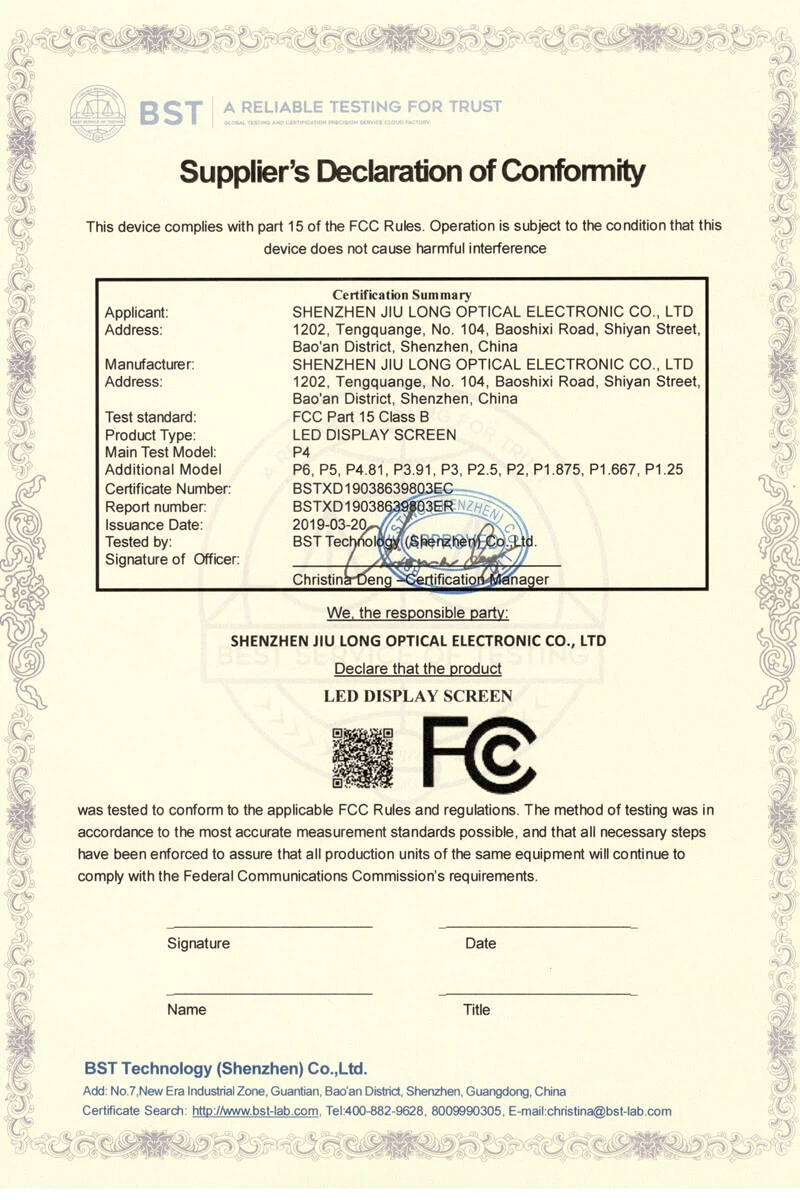
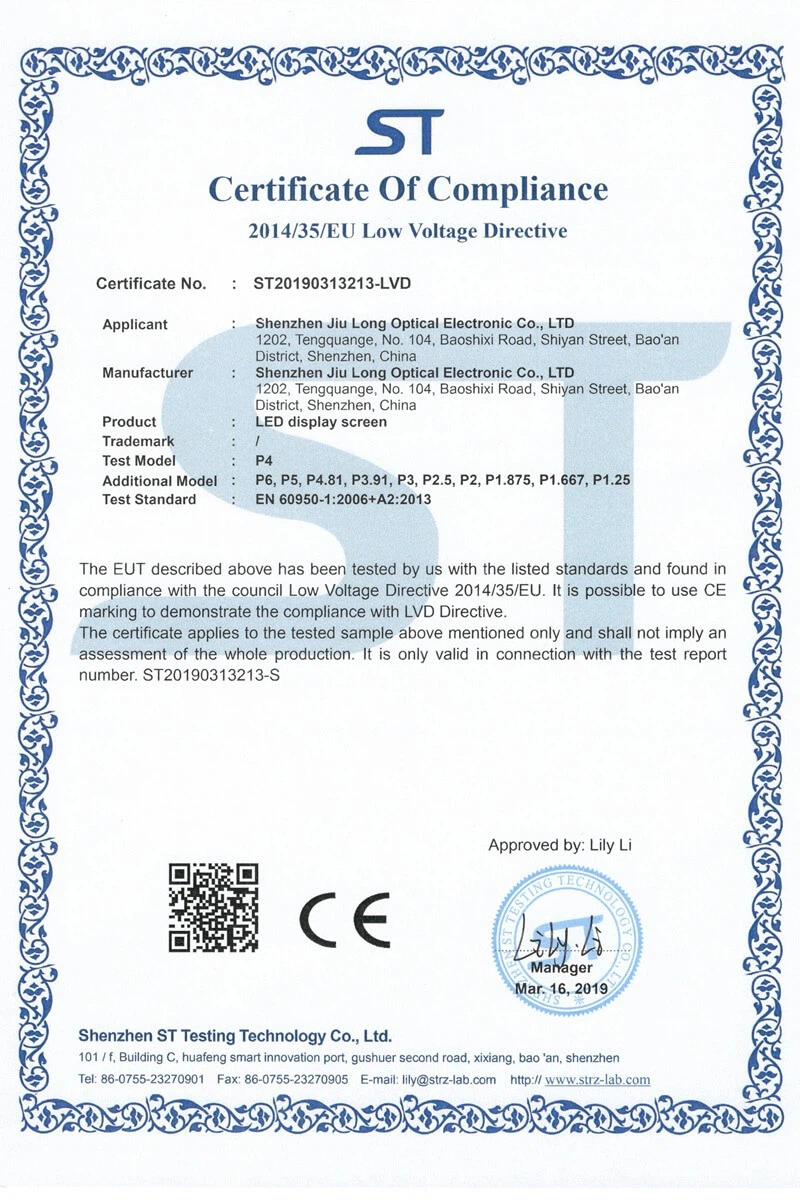
Various Certification:Our products have obtained 3C, CE, CB, IEC, TUV, FCC, RoHS, and other international safety regulations and hundreds of certificates.
Advanced Equipment & Professional Team:We have leading automated production equipment, professional management, R&D, production, and a complete sales and team of service. It provides favorable guarantees of product quality, scale, standardized production, and fast delivery.


What Is An LED Video Wall?
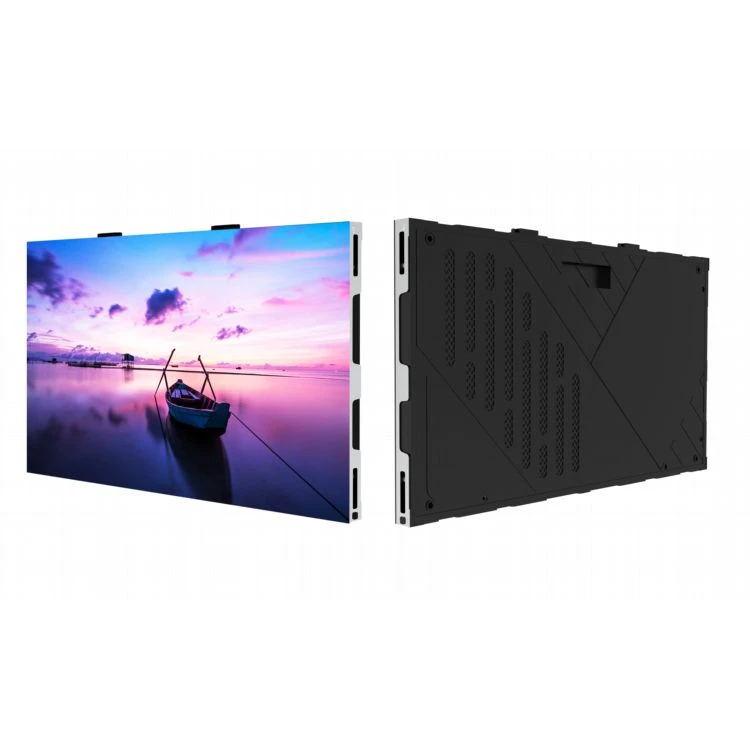
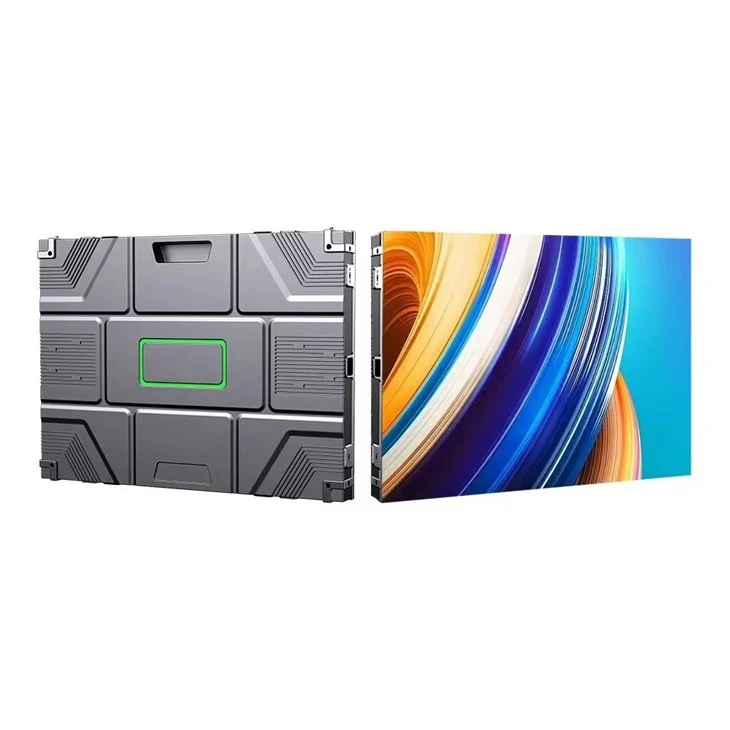
An LED video wall is a large screen composed of light-emitting diodes (LEDs) that display visual content such as videos, images, text, and other graphics. Unlike traditional displays, an LED video wall creates the illusion of a seamless, luminous wall without visible junctions between the individual modules that make it up.
Features of LED Video Wall
Modular Capabilities
LED video walls offer unparalleled modular capabilities. They can be customized and configured to suit any environment. Whether it’s a corporate lobby, a mall, or a control room, these walls adapt seamlessly.
Hot Swappable Panels
Maintenance and repair become hassle-free with hot-swappable panels. If a panel malfunctions, it can be easily replaced without disrupting the entire video wall.
High Refresh Rates and Wide Viewing Experience
LED video walls offer high refresh rates, ensuring smooth motion and reducing flicker. Additionally, they provide a wide viewing experience, making them suitable for various applications.
Ultra Bright Diodes for Superior Display Quality
The LEDs in these walls emit light directly, resulting in vibrant colors, incredible brightness levels, and a high degree of clarity. This ensures a superior display quality for captivating visual content.
Types of LED Walls
Direct View LED Video Walls
Direct View LED video walls are the latest in digital display technology and are quickly becoming the go-to choice for businesses and organizations that need to make a big impact. These video walls feature ultra-bright, high-contrast displays that can be used to create stunning visuals for events, presentations, digital signage, and more. With Direct View LED video walls, you can create an immersive experience that will captivate your audience. They offer superior image quality and durability compared to traditional LCD or plasma displays, making them ideal for any setting.
Direct View video walls differ from their peers because they have no bezels and are extremely narrow, giving viewers a much more slim profile. These two characteristics enable them to deliver a seamless viewing experience that is its core “wows” the audience.
Indoor LED Video Walls
Indoor LED video walls are a powerful and versatile way to display dynamic content in a variety of settings. They consist of multiple panels that are connected together to form one large, cohesive display.
This type of display – with surface-mounted LEDs – delivers a high-resolution image and can adapt to surfaces and curves. They have rapidly become the go-to tech’ when it comes to gaming, entertainment, education, and all types of visual indoor advertisements.
Blended Projection Video Wall Systems
Blended Projection video walls are an innovative technology that combines the best of both projection and LCD systems. They offer a wide range of features, such as high-resolution images, wide viewing angles, low power consumption, and easy installation. Blended Projection video wall systems are ideal for large-scale installations in conference rooms, control rooms, lobbies, and other areas where a large display is needed. With their advanced features and capabilities, these systems can provide an immersive visual experience for any setting.
Applications of LED Video Wall
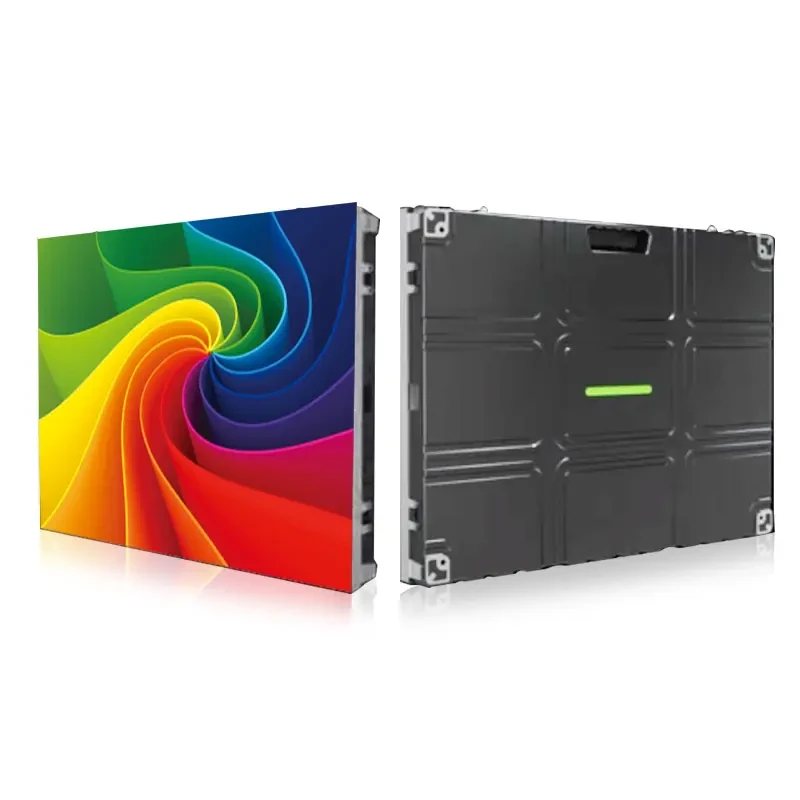
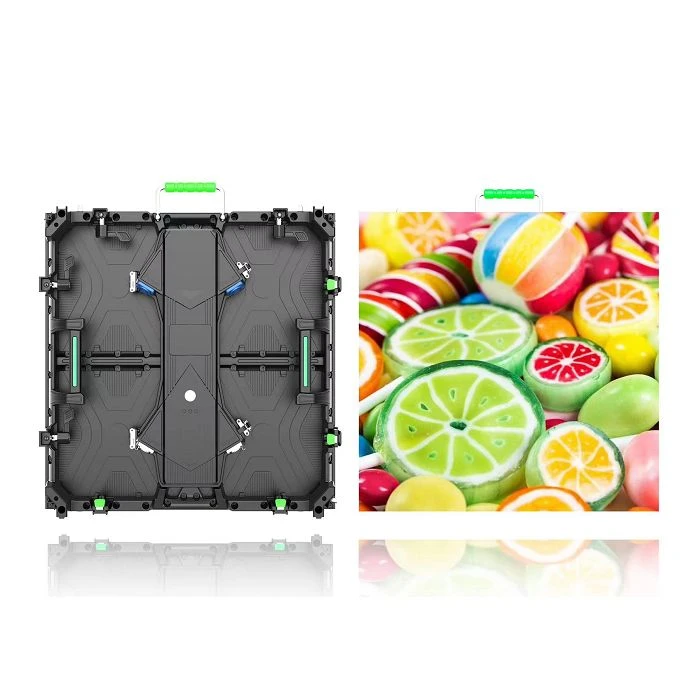
LED Video Walls in the Sports Industry
The sports industry has been at the forefront of adopting LED video walls to enhance the fan experience. In stadiums and arenas, LED video walls are used to display live game footage, replays, and player statistics, providing an immersive viewing experience for spectators. These displays also serve as a platform for interactive fan engagement, allowing fans to participate in games, polls, and social media interactions. LED video walls have transformed the way fans engage with sports events, creating a sense of excitement and community that goes beyond the game itself.
In addition to enhancing the in-stadium experience, LED video walls have also found their way into sports bars and entertainment venues, allowing fans to watch games on a larger-than-life screen. These displays create a vibrant atmosphere, bringing the energy of the stadium to the viewers, and attracting larger crowds to these establishments. LED video walls have become a game-changer in the sports industry, revolutionizing the way fans experience their favorite games.
LED Video Walls in the Entertainment Industry
The entertainment industry has fully embraced LED video walls to create immersive and unforgettable experiences for audiences. Theme parks, in particular, have utilized these displays to transport visitors to worlds beyond their imagination. LED video walls are used to create stunning visual effects, simulate thrilling rides, and bring beloved characters to life. These displays add an extra layer of excitement and immersion, making theme park visits truly memorable for visitors of all ages.
Concerts and live performances have also benefited from the versatility of LED video walls. These displays serve as a backdrop for performers, providing dynamic visuals that complement the music and enhance the overall atmosphere of the show. LED video walls allow for the seamless integration of graphics, videos, and lighting effects, creating a multi-sensory experience that captivates the audience. Whether it's a grand concert or an intimate theater performance, LED video walls have become an essential tool for entertainers to engage and entertain their audience.
LED Video Walls in the Retail Industry
The retail industry has recognized the potential of LED video walls to captivate shoppers and enhance the overall shopping experience. In stores, LED video walls are used to display product advertisements, promotions, and interactive content. These displays catch the attention of shoppers, creating an immersive environment that encourages exploration and engagement. LED video walls can showcase product features, demonstrate use cases, and even allow customers to interact with virtual models or try on virtual clothes. By integrating technology with the physical retail space, LED video walls provide a unique and memorable shopping experience that sets businesses apart from their competitors.
In addition to enhancing the in-store experience, LED video walls have also been utilized in shopping malls and outdoor advertising. These displays serve as eye-catching billboards, displaying dynamic and engaging content that captures the attention of passersby. LED video walls have become an effective marketing tool for businesses, allowing them to communicate their brand message in a visually compelling way.
LED Video Walls in the Corporate Sector
The corporate sector has embraced LED video walls to transform conference rooms, boardrooms, and office lobbies into dynamic and engaging spaces. In conference rooms, LED video walls serve as a powerful visual aid, enhancing presentations and facilitating effective communication. These displays allow for the seamless integration of multimedia content, ensuring that information is conveyed effectively and engagingly. LED video walls also enable video conferencing capabilities, allowing teams to connect and collaborate with colleagues from around the world, creating a more inclusive and interactive meeting experience.
In office lobbies, LED video walls serve as a platform for communication and brand representation. These displays can showcase company information, news updates, and even employee achievements, creating a welcoming and informative environment for visitors. LED video walls have become an essential tool for businesses to communicate their values, culture, and achievements to clients, partners, and employees.
LED Video Walls in the Museum Industry
Museums have embraced LED video walls to enhance exhibits and engage visitors in new and exciting ways. These displays allow for the showcasing of high-resolution artworks, immersive videos, and interactive content that bring exhibits to life. LED video walls create a captivating environment, allowing visitors to experience art and history in a more engaging and interactive manner. These displays enable museums to present information in a visually compelling format, appealing to a wider audience and making learning more accessible and enjoyable.
In addition to enhancing exhibits, LED video walls have also been utilized in museum lobbies and entrance halls. These displays serve as a platform for welcoming visitors, providing information about ongoing exhibits, and showcasing upcoming events. LED video walls create a visually stunning first impression, setting the tone for the overall museum experience.
Benefits of Using a Video Wall
Every corporate workspace, control room or public space has a ton of data and information that needs to be conveyed to either employees, audiences or customers in order to grab their attention or trigger a reaction. “One image is worth a thousand words”: video walls help share information visually in real-time with high impact. With the large number of pixels available, they allow to combine information coming from different sources and in different formats.
For example:
1)Airports use video walls to display flight schedules but also advertisements and emergency messaging in case of evacuations
2)Corporate Lobbies or Breakrooms may want to include daily company announcements, key performance dashboards, their Twitter RSS feed, a welcome message for an important guest and perhaps some corporate messaging or advertising.
3)Corporations and Universities use video walls in collaboration rooms, training/classrooms and visualization suites. They may require the use of third-party collaboration or training software.
4)Emergency Centers use video walls to provide operators with critical information helping them respond quickly and accurately to complex emergency situations.
5)Security and Transportation Monitoring Centers may need access to IP cameras and interact with video management systems.
Not all advanced technology has to be complex. Video wall controllers simplify the configuration and operation of video walls, giving users absolute control of what they want to display, where and how on the video wall; offering a completely customizable experience without any programming knowledge. Video wall processors are available for all types of video walls, and some even offer a software platform to manage content distribution throughout several video walls within an organization, a facility or even a multi-site organization, all from a single centralized platform.
Collaborating with a content creation agency may further enhance the visualization experience that you are trying to create, making the most of your video wall investment.
Consumers expect intelligent, engaging interactions from companies in today’s technological era. As such, employees expect the same from their employers.
With video walls, you can engage consumers and employees with incredible graphics, but touch screens bring a whole other level of engagement where graphics and/or information are triggered upon the touch of the screen or a portion of the screen.
“You never get a second chance to make a great first impression” Have you stepped into a company and noticed “the blue screen of death” on their displays? Or that the video wall was malfunctioning or just off? Typically, such an incident is likely due to the inadequacy of the video wall processor powering the video wall.
Aside from the bad impression that a malfunctioning video wall may cause, more importantly, in an emergency center or a security monitoring facility, a malfunctioning video wall can be catastrophic. While investing in a video wall, it’s worth investing in a cutting-edge video wall processor to maximize your investment. The right video wall processor will not only provide reliability and security, it will also provide increased performance and usability.
Often, a video wall is used to display content from multiple sources at once. If you need to display video streams from many channels and in various formats on your video wall at once, you’ll need a video wall processor, preferably an interoperable one that can process any content source format and display it on any display type. Some video wall processors have format limitations or are limited to one type of display (LCD, LED, projector) per processor, whereas other more advanced ones are agnostic to source types and displays.
Deploying a video wall allows ever-changing content such as promotions, graphics, news, dashboards, and any other information, to be easily managed, changed, and controlled. Video walls can grow in size, without having to replace displays, but simply by adding more units to increase your canvas size. The right video wall processor can be upgraded on-site to handle more displays without having to completely replace your processor. With the ability to process any type of content from various apps and display sources in any configuration, size, or aspect ratio, content creators and administrators have the creative capacity to do virtually anything they want and easily change layouts and graphics as often as they want with the touch of a button.
Comparison Between LED and LCD Video Walls
|
LED Video Wall |
LCD Video Wall |
|
|
Cost |
Usually the most expensive video wall option. |
Usually less expensive than LED walls. |
|
Maximum Size |
Our walls can use hundreds of LED panels, but since you can combine them in any width or height combination, there isn’t necessarily a maximum size. |
Our most popular LCD walls are about 16’ wide by 10’ tall. Also, when measuring your ceiling height, keep in mind that most walls don’t go all the way down to the floor. So you’ll need to add that into your total height need. |
|
Appearance |
People need to view LED walls from a distance to get the full picture. Think of them like a Lite Brite, or an impressionist painting — you get the full picture when you’re further away. Though made of LED panels, there are no seams. |
The image on an LCD wall will be sharper than on LED walls, especially while standing nearby, since it’s made from HD panels. Will have very thin seams between each LCD screen, called bezels. |
|
Content |
Once you know the exact size, your AV provider will give you the exact dimensions and resolution so your media creator can customize your content. |
Since an LCD Wall are basically fancy computer monitors, it’s typically easier to create content. If your content looks great on a standard computer monitor with a 16:9 aspect ratio, it will look good on an LCD wall. Your AV provider will give you dimensions and resolution requirements once you decide on the size you need, and can also help you determine where the seams (or “bezels”) will be so none of your image gets cut off. |
|
Installation |
Installation time will vary depending on the wall size, but can take from half a day to multiple days. Be sure to bake in enough time. |
While usually quicker to install than LED walls, still be sure to schedule in at least half to a whole day. |
|
Brightness |
An LED wall can get face-meltingly bright, which makes them a great option for outdoor events. |
LCD walls can be very bright, but are suited for indoors. (They’re also not waterproof, unlike outdoor rated LED tiles.) |
|
Power Requirements |
Much lower than LCD — but you’ll still need to make sure your venue has enough power capabilities. Your video wall provider can tell you how much power you’ll need. |
You need a lot of power. Each screen requires about 4amps. Make sure your venue has the power capacity, or make special arrangements. |
|
Loading Requirements |
Relatively lightweight and easy to transport in many pieces. |
Comes in huge containers. A venue might need to have freight elevator, and you’ll have to make sure you have enough space to get it into your venue. |
Five LED Video Wall Considerations
Studies reveal that 65% of the population identify as visual learners, so event planners are taking advantage of the visual power of LED video walls to truly engage their audiences and get any message across, regardless of the event or industry. However, before choosing your NYC LED wall rental, there are a few questions to ask yourself.
Do I Want an Outdoor or Indoor LED Video Wall?
There are differences between indoor and outdoor LED video walls that all event planners need to be aware of. For example, indoor screen generally have a lower pixel pitch (not a bad thing) and they’re often not weatherproofed, while outdoor walls are generally larger with a higher pixel pitch, and weatherproofed (for more on pixel pitch, see #3 below). Outdoor LED video walls are also a lot brighter than indoor walls because they often have to compete with the sun’s rays; think Times Square on a cloud-free day. The tradeoff is image quality; the brightness can wash out some of the colors and affect contrast, or what we call black levels—the level of brightness at the darkest part of a visual image.
Of course, circumstances can change. Inclement weather may force you to move an event indoors, or the size of your guest list may have you considering moving the event outdoors to accommodate the audience. Moving an LED video wall into a venue it wasn’t intended can result in a less than ideal viewing experience, so you may want to consider a versatile wall that works inside and outside if you’re unsure of where the event will ultimately be held.
What Size LED Video Wall is Right For My Event?
LED video walls are scalable to almost any size and shape, so it’s important to choose the right size wall for your event (size will also be a factor when it comes to LED video wall price). If you’re putting on a smaller, more intimate event, you’ll probably want to go smaller, such as 7’ x 12’ screen, otherwise the LED wall may be overbearing to viewers. However, if you’re putting on a larger affair, such as a general session in a large ballroom or even a concert, you may want to consider an 18’ x 25’ backdrop or greater. Want to take things to the next level? Custom-shaped led video walls make it possible!
What LED Video Wall Pixel Pitch Do I Need?
Pixel pitch, sometimes called dot pitch, correlates with resolution and determines how clear images will appear on the LED wall panel. The smaller the pixel pitch, the less empty space between pixels, which means higher pixel density and improved screen resolution. However, the distance the audience will be from the wall needs to be a consideration. For larger events in which people will be further away from the wall, you can save money and use a higher pixel pitch; for smaller events where viewers will be close to the wall, you’ll need a lower pixel pitch. As a general rule, however, smaller LED video wall pixel pitch is preferred.
What Aspect Ratio Is Best?
Aspect ratios describe the relationship between the width and height of a digital display (W:H). For example, a 1:1 ratio means that the width and height are equal to each other, while a 2:1 aspect ratio means the width is double the height. Here are some other aspect ratio examples:
1)Landscape, in which width is greater than height, such as 3:2
2)Square, in which weight equals height, such as 1:1
3)Portrait, in which width is less than height, such as 2:3
It’s important to note that aspect ratios are independent of size; for example, a 6’ x 6’ screen has the same aspect ratio as a 600’ x 600’ screen (1:1). The standard aspect ratio for video and display is 16:9 (16 units of width and 9 corresponding units of height), however, you can choose to go ultrawide using video processors that ensure visuals fit perfectly.
Factors Impacting LED Display Lifespan
Application
How do you think the nature of your application impacts the lifespan? For instance, a device with numerous brightness variation levels and colors will wear out faster. A brighter LED display requires more power than a gray or black one.
In other words, brighter colors require more power which can overheat the device. You should find a suitable balance between the color and power level.
Design
The construction and architecture technique that protects the LED display impacts its lifespan. For example, ventilation is critical as it allows the device to cool and release the heat diodes emit.
Parts like the circuit board gain heat during the application, so aeration is vital. Simply put, thermal stress in an LED display with a poor design lowers durability.
Power Source
The power source you use determines how intense the diodes work, significantly affecting the screen’s lifespan. Moreover, other elements like the electrical components and the fan feature different lifespans.
Most times, it is the power source that damages these components. Looking at the overall lifespan of the device does not make it a better choice. The entire device fails if any electrical component or the fan breaks down.
Weather
Heat is a crucial factor in LED display degradation. The heat that the display produces increases with an increase in brightness level. Outdoor LED display applications might raise the diode temperatures higher.
Thus, the electronics will likely degrade faster in areas with high temperatures. In the meantime, cold temperatures cool the diodes, making them last longer.
Heat Emission
Heat sinks and chips in the LED display are sensitive to hot air. The LED display lifespan will ultimately reduce if the application involves temperatures above 85 degrees Celsius. Cool temperatures during application promote the heat sinks’ function.
Drivers and Capacitors
Some LED screens use plastic capacitors to reduce manufacturing costs. Plastic capacitors will likely work well for less than a year. Unfavorable heat emissions and ambient temperature greatly diminish the display’s lifespan. Therefore, materials that tolerate high heat, such as ceramic capacitors, are more suitable.
Our Certification




Frequently Asked Questions about Advertising LED Display
Q: What are LED screen walls?
Q: How do LED video walls work?
Each LED panel is composed of tiny light-emitting diodes (LEDs) that emit light when an electrical current passes through them. By controlling the intensity and color of each individual LED, an LED video wall can create a vibrant and dynamic visual display.
To create a seamless display across multiple LED panels, the panels must be carefully calibrated and synchronized to ensure that the images and videos displayed on the wall appear as a single cohesive image. This is typically done using specialized software and hardware that allows for easy control and management of the LED video wall.
Q: What is the difference between LED and video wall?
Q: What is an LED video wall?
Q: Why should I look at an LED video wall over Projection?
1)Brightness and contrast – LED video walls are unarguably brighter than projection, and because the screen is black instead of white, the contrast is significantly higher.
2)Room Aesthetics – LED video walls require no projectors hanging in the room, which looks better and produces less room noise.
3)Long Term Maintenance – LED video walls last 12-15 years versus 5-7 for projection, and require no lamp changes and minimal maintenance.
4)More Flexible – LED video walls can fit any aspect ratio, not just 16:9, 16:10, or 4:3.
Q: What mounting options are available?
1)Flown from Truss/Rigging/Ceiling – This is where the LED screen is hung from an overhead structure. In stage/entertainment applications this can commonly be truss or pipe grid.
2)Ground Supported – This method requires purchasing a ground support system that is fixated behind the LED screen. These can be modular for mobile use or event production use, and the bottom of the screen will generally sit just a few inches off the floor. For permanent outdoor installations, a custom structure will need to be fabricated.
3)Wall Mount – Wall-mounted LED screens allow for an integrated look into your space. Wall-mount solutions are permanently installed and can require some preparation to ensure a safe and professional installation. Wall-mounted LED panels are a different product with a different design to ensure ease of installation and easy access from the front of the screen for future servicing without requiring removal or disassembly.
Q: Can I install the led screen myself?
For permanent solutions, of any mounting type, professional installation by a qualified integration personnel is recommended. It is not as easy as hanging a TV, trust us. It is critical to ensure LED panels are hung/mounted level, with equal weight distribution. Otherwise, seams can occur and compromise the viewing experience. Additionally, LED walls can weigh a significant amount, anywhere from 300 – 2,000 lbs, and must be installed securely for the safety of those on stage and potentially those in the audience.
Q: Do I need a computer to run media to the video wall?
For most applications, you will need a PC or MAC in order to configure the video wall. If you plan to use a computer for video output, your computer will need a secondary display output to connect to the video processor such as HDMI, DisplayPort, VGA, or DVI. DVS processors and controllers can accept HDMI, DVI, VGA, and SDI connections.
For digital signage, NovaStar’s Taurus multi-media players can allow you to store and playback your images, text, and video wirelessly from a single device. With options for remote management over WiFi & 4G cloud control.
Q: Can I use a cable box or streaming device on the video wall?
Q: Can I run a live camera feed to the video wall?
Q: How big are LED tiles?
Q: What is an LCD Video Wall?
Q: How much does an LED Wall cost?
Q: What pixel pitch do I need?
Q: How much do LED video walls weigh?
Q: Why do my LED video wall tiles have gaps between them?
As one of the leading LED video wall manufacturers and suppliers in China, we warmly welcome you to buy customized LED video wall from our factory. All OEM&ODM products are with high quality and competitive price. Contact us for quotation.
led screen for events, led rental screen, Rental led panels screen